Bicarb: Not Always the Quick Fix
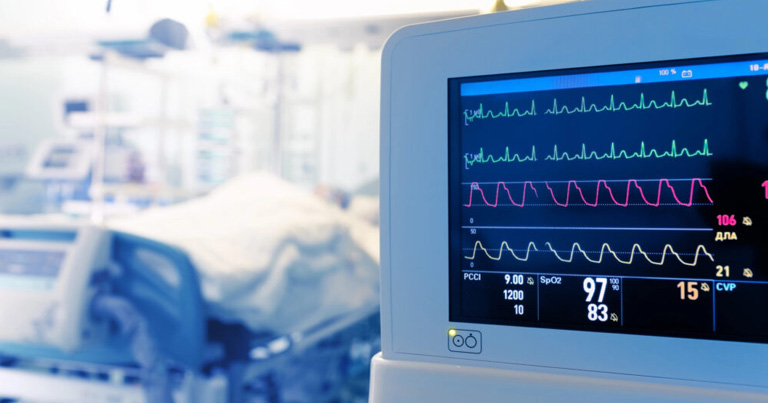
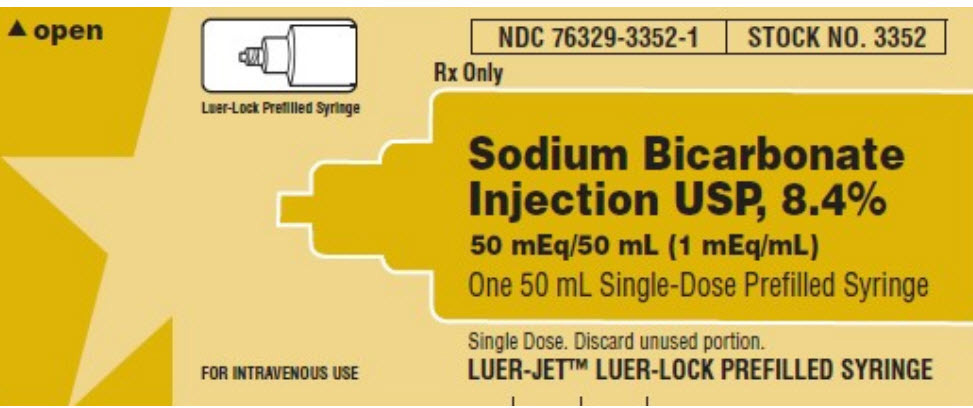
Acidosis is a critical condition characterized by an excess of acid in the body fluids, leading to a decrease in blood pH. It can be broadly…
Diagnoses overt (late-phase) disseminated intravascular coagulation from the platelet count, D-dimer, prothrombin time and fibrinogen, with the D-dimer cut-offs set by the 2025 ISTH update. The ISTH algorithm applies only to a patient with an underlying disorder known to be associated with DIC.
| Score | Meaning |
|---|---|
| No underlying disorder | Not applicable: the ISTH algorithm is not used without a disorder known to be associated with DIC. |
| 5 or more | Overt DIC: the late phase, when coagulation and fibrinolysis are disrupted and bleeding or organ dysfunction is evident. Repeat the score daily. |
| Below 5 | Suggests, but does not confirm, non-overt DIC: repeat the score within 1-2 days. Early-phase DIC can still be present; ISTH now asks for early-phase criteria tailored to the underlying disease, and in sepsis these are the sepsis-induced coagulopathy (SIC) criteria. |
The underlying-disorder question and the repeat intervals belong to the 2001 ISTH algorithm (the 2001 paper is closed access; they are taken from the algorithm as set out by Gando, Levi and Toh in 2025). Disorders known to be associated with DIC on the ISTH list in that review include severe infection (bacterial sepsis, viral, protozoal or systemic fungal infection), major trauma, extensive burns, heat stroke, hypothermia, asphyxia or drowning, acute pancreatitis, cardiac arrest or cardiogenic shock, solid and hematologic cancers (including acute promyelocytic leukemia), snake bite, incompatible transfusion, transplant rejection, aneurysm or giant hemangioma, and pregnancy complications such as placental abruption, postpartum hemorrhage and amniotic fluid embolism.
| Item | Points | 2025 cut-off | 2001 score |
|---|---|---|---|
| Platelet count | 1 | 50 to below 100 ×109/L | Same |
| 2 | Below 50 ×109/L | Same | |
| D-dimer | 2 | More than 3 times the upper limit of normal | Moderate rise in a fibrin-related marker |
| 3 | More than 7 times the upper limit of normal | Strong rise in a fibrin-related marker | |
| Prothrombin time prolongation | 1 | 3 to below 6 seconds | Same |
| 2 | 6 seconds or more | Same | |
| Fibrinogen | 1 | Below 1.0 g/L (100 mg/dL) | Same |
D-dimer up to 3 times the upper limit of normal scores 0. D-dimer assays are not standardized, so express the result as a multiple of the upper limit of normal for the assay used; the 2025 paper notes that suitable cut-offs can differ between underlying diseases.
The 2025 update keeps the 2001 structure and replaces the undefined moderate and strong rises in fibrin-related markers with D-dimer multiples taken from an earlier communication of the ISTH DIC subcommittee. In a Japanese nationwide database of 8,181 patients with sepsis, 7,548 with hematologic cancers and 11,614 with solid cancers, in-hospital mortality rose with the 2025 score in all three groups, and PT prolongation and D-dimer were the components most strongly tied to death.
Acidosis is a critical condition characterized by an excess of acid in the body fluids, leading to a decrease in blood pH. It can be broadly…
If you or a loved one have ever been hospitalized, you may have heard the term “ICU” thrown around. But what exactly is an ICU? Here you wil…