Learn
Medical EducationEvidence-Based MedicinePatient Education
ICU Toolkit
CalculatorsProtocols & CardsICU Setup
CPT & BillingZad TalkForumContact
Home / Calculators / 4Ts Score Calculator for Heparin-Induced Thrombo…

4Ts Score Calculator for Heparin-Induced Thrombocytopenia

Estimates the pretest probability of heparin-induced thrombocytopenia (HIT) from the size and timing of the platelet fall, thrombosis and other causes, to decide who needs HIT testing and a non-heparin anticoagulant.

4Ts Score
Fill in the fields above to see the result.

How to read the result

ScoreProbability2012 meta-analysisASH 2018 recommendations
0-3LowNegative predictive value 0.998No HIT laboratory testing and no empiric HIT treatment
4-5IntermediatePositive predictive value 0.14Stop heparin; non-heparin anticoagulant (therapeutic intensity, or prophylactic if bleeding risk is high and there is no other indication); immunoassay
6-8HighPositive predictive value 0.64Stop heparin; non-heparin anticoagulant at therapeutic intensity; immunoassay

ASH warns that missing or inaccurate information can produce a misleading score: when key information is missing, err toward a higher score, consider testing despite a low score, and recalculate when the clinical picture changes.

Scoring

Category2 points1 point0 points
ThrombocytopeniaFall of more than 50% and nadir 20 ×109/L or higherFall of 30-50%, or nadir 10-19 ×109/LFall of less than 30%, or nadir below 10 ×109/L
Timing of the fallClear onset on days 5-10, or within 1 day with heparin in the past 30 daysConsistent with days 5-10 but unclear (e.g. missing counts), onset after day 10, or within 1 day with heparin 30-100 days agoFall less than 4 days after starting heparin, without recent exposure
Thrombosis or other sequelaeNew confirmed thrombosis, skin necrosis at injection sites, or an acute systemic reaction after an IV unfractionated heparin bolusProgressive or recurrent thrombosis, red (non-necrotizing) skin lesions at injection sites, or suspected thrombosis not yet provenNone
Other causes of thrombocytopeniaNone apparentPossibleDefinite
  • Progression means an objectively documented increase in clot size; recurrence means a new clot in a previously affected area.
  • Whether another cause is possible or definite is a clinical judgment.
  • In the Hamilton cohort of the derivation study, a fall of more than 50% caused directly by surgery scored 1 rather than 2. This calculator uses the standard table, which leaves that to the scorer.

Validation

In the derivation study, few patients with a low score had HIT antibodies (1 of 64 in Hamilton, 0 of 55 in Greifswald), while the meaning of intermediate and high scores differed between the two centers. A 2012 meta-analysis of 13 studies (3,068 patients) found a negative predictive value of 0.998 for a low score; a score of 4 or more had a sensitivity of 0.99 and specificity of 0.54. In 170 ICU patients in a prospective study, a score of 4 or more had 100% sensitivity but 31% specificity (positive predictive value 18%). In 299 adults on mechanical circulatory support, sensitivity was 0.56 (specificity 0.80), and the authors concluded that a low score does not reliably rule out HIT on MCS.

References

  1. Lo GK, Juhl D, Warkentin TE, et al. Evaluation of pretest clinical score (4 T’s) for the diagnosis of heparin-induced thrombocytopenia in two clinical settings. J Thromb Haemost. 2006;4(4):759-765. PMID 16634744
  2. Cuker A, Gimotty PA, Crowther MA, et al. Predictive value of the 4Ts scoring system for heparin-induced thrombocytopenia: a systematic review and meta-analysis. Blood. 2012;120(20):4160-4167. PMID 22990018
  3. Cuker A, Arepally GM, Chong BH, et al. American Society of Hematology 2018 guidelines for management of venous thromboembolism: heparin-induced thrombocytopenia. Blood Adv. 2018;2(22):3360-3392. PMID 30482768
  4. Pishko AM, Fardin S, Lefler DS, et al. Prospective comparison of the HEP score and 4Ts score for the diagnosis of heparin-induced thrombocytopenia. Blood Adv. 2018;2(22):3155-3162. PMID 30463915
  5. Kram SJ, Hamidi A, Kram BL, et al. The predictive value of the 4Ts and HEP score at recommended cutoffs in patients with mechanical circulatory support devices. J Cardiothorac Vasc Anesth. 2022;36(7):1873-1879. PMID 35331630
Keep reading

Related articles

All ECMO →

Basic ECMO Nomenclature

System Support Mode Condition Application ECMO VA ECMO Cardiac failure Cardiac ECMO, ECPR, EISOR VVA ECMO Cardiorespiratory failure Cardiac and respiratory ECMO VV ECMO Respiratory failure Respiratory ECMO VP ECMO RV/respiratory f…
January 23, 2024

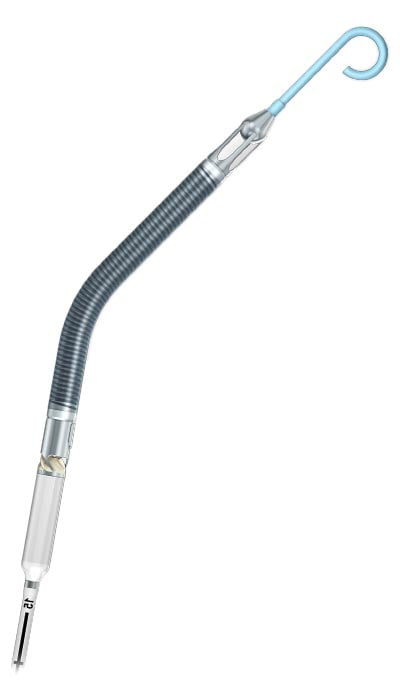
Impella Comparison

Review different type of Impella devices with their detailed specifications.

September 29, 2022