What is ICU?
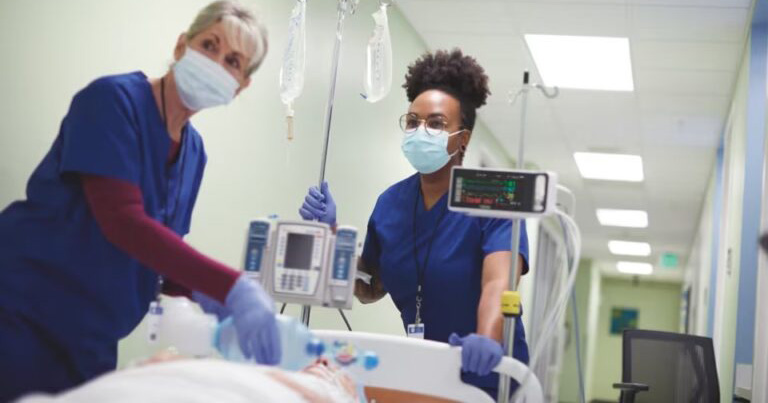
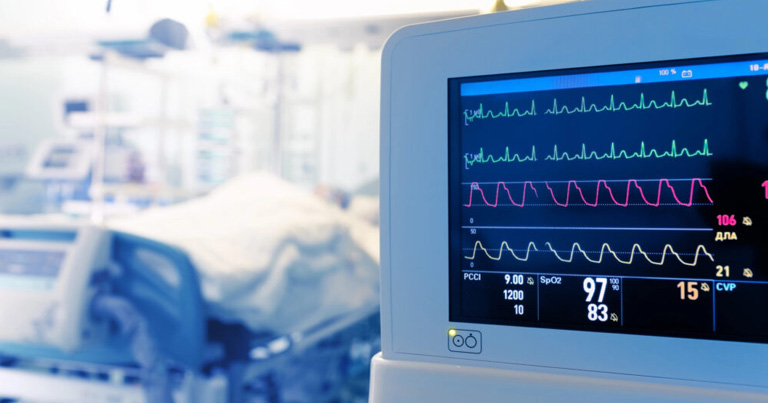
If you or a loved one have ever been hospitalized, you may have heard the term “ICU” thrown around. But what exactly is an ICU? Here you wil…
Identifies patients with acute liver failure who are unlikely to survive without an emergency liver transplant, with separate criteria for acetaminophen (paracetamol) and other causes.
| Result | Meaning |
|---|---|
| Met | Poor prognosis without a transplant. EASL 2017 advises considering emergency liver transplantation; AASLD 2011 uses the same criteria for listing. |
| Not met | Does not rule out death without a transplant: sensitivity is moderate (see Validation). |
No prognostic system decides transplant candidacy on its own; AASLD advises against relying entirely on any of them. EASL advises assessing prognosis at the first hospital, so that transfer to a transplant center can be decided as early as possible.
| Criterion | Threshold | |
|---|---|---|
| Any one of | Arterial pH after fluid resuscitation, more than 24 hours after ingestion | Below 7.30 |
| Arterial lactate after fluid resuscitation | Above 3.0 mmol/L | |
| Or all three of | Hepatic encephalopathy | Grade 3-4 |
| INR | Above 6.5 | |
| Creatinine | Above 300 µmol/L (about 3.4 mg/dL) |
EASL 2017 counts the pH criterion only more than 24 hours after ingestion: very early acidosis with high acetaminophen levels can be a direct drug effect, separate from the liver failure that may follow. AASLD 2011 gives no timing for pH, asks for the three to occur within the same 24 hours, and advises strongly considering listing when lactate is above 3.5 mmol/L early, before full resuscitation.
| Criterion | |
|---|---|
| Either | INR above 6.5 |
| Or any three of | Age under 10 or over 40 years |
| Indeterminate (seronegative) hepatitis or an idiosyncratic drug reaction | |
| Jaundice for more than 7 days before encephalopathy | |
| INR above 3.5 | |
| Bilirubin above 300 µmol/L (about 17.5 mg/dL) |
AASLD applies these with encephalopathy present (any grade) and adds Wilson disease to the unfavorable causes. The original criteria used prothrombin time: above 100 seconds where the INR form uses 6.5, and above 50 seconds where it uses 3.5. The 1989 abstract gives the age criterion as under 11 years; EASL 2017 and AASLD 2011 use under 10, as here. The mg/dL values are conversions of the original 300 µmol/L thresholds.
The criteria came from 588 patients with acute liver failure managed medically at King’s College Hospital in 1973-1985 and were tested in 175 patients admitted in 1986-1987. In a meta-analysis of 14 studies (1,960 patients) with acetaminophen-induced failure, pooled sensitivity was 58% and specificity 95%. For other causes, a meta-analysis of 18 studies (1,105 patients) found sensitivity 68% and specificity 82%, and sensitivity of 58% in studies published after 2005. Adding lactate after resuscitation to the acetaminophen criteria raised sensitivity from 76% to 91% in the Bernal validation cohort. With modern intensive care more patients survive without a transplant, so criteria calibrated decades ago may perform less well.
If you or a loved one have ever been hospitalized, you may have heard the term “ICU” thrown around. But what exactly is an ICU? Here you wil…
You just received a call from the hospital that your loved one is admitted to ICU. This sounds scary. You already know what is ICU, but you…