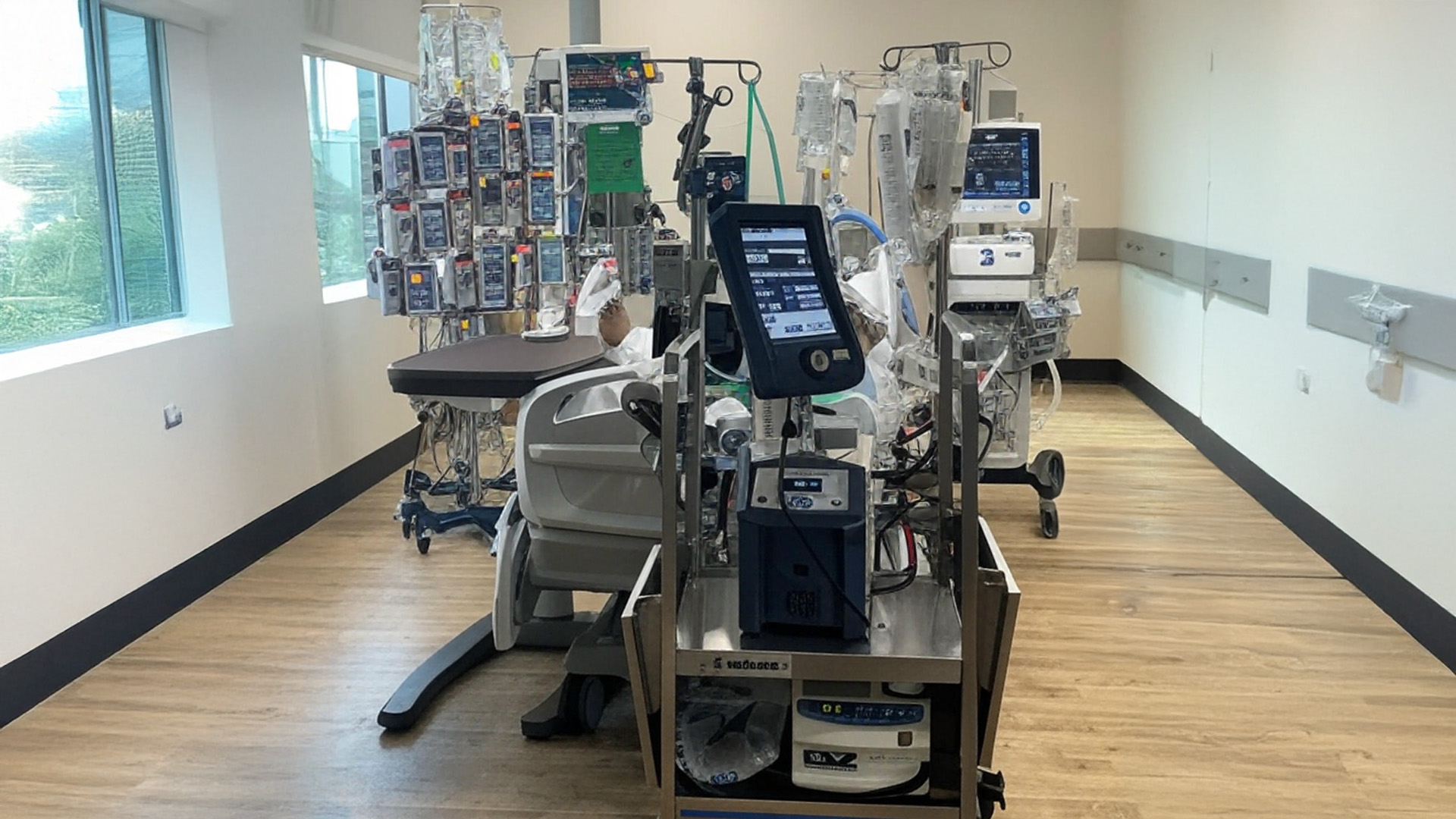
Prophylactic Antibiotic Use in Adult Cardiac Arrest Patients Receiving Emergent ECMO (eCPR)
Introduction Extracorporeal Membrane Oxygenation (ECMO) is an advanced life support therapy utilized in critical care medicine to provide te…
Introduction Extracorporeal Membrane Oxygenation (ECMO) is an advanced life support therapy utilized in critical care medicine to provide te…
Acidosis is a critical condition characterized by an excess of acid in the body fluids, leading to a decrease in blood pH. It can be broadly…
For decades, the belief that “bigger is better” has driven the choice of chest tube size for managing hemothorax and pleural effusions. Yet…
System Support Mode Condition Application ECMO VA ECMO Cardiac failure Cardiac ECMO, ECPR, EISOR VVA ECMO Cardiorespiratory failure Cardiac and respiratory ECMO VV ECMO Respiratory failure Respiratory ECMO VP ECMO RV/respiratory f…
Parkinson’s disease is a chronic and progressive neurodegenerative disorder that affects millions of people worldwide. It was first describe…
Introduction The Pulmonary Artery Pulsatility Index (PAPi) is a measure of right ventricular (RV) function derived from the pulmonary artery…
As patients, you put a lot of trust in healthcare system to take care of you or your loved ones and make the right decisions for your health…
I know. It’s not easy to talk about it. Most people don’t want to talk about it. But we all know that we can’t skip it, by simply not talkin…
Admission to the ICU can be an overwhelming and uncertain experience, both for patients and their loved ones. In my previous discussions, I…
You just received a call from the hospital that your loved one is admitted to ICU. This sounds scary. You already know what is ICU, but you…
If you or a loved one have ever been hospitalized, you may have heard the term “ICU” thrown around. But what exactly is an ICU? Here you wil…
Background Risk-stratifying patients with cardiogenic shock (CS) is a major unmet need. The recently proposed Society for Cardiovascular Angiography and Interventions (SCAI) staging system for CS severity lacks uniform criteria de…
ABSTRACT To further understanding of the epidemiology of acute respiratory distress syndrome (ARDS), we prospectively identified 695 patients admitted to our intensive care units from 1983 through 1985 meeting criteria for seven c…
BACKGROUND Traditional approaches to mechanical ventilation use tidal volumes of 10 to 15 ml per kilogram of body weight and may cause stretch-induced lung injury in patients with acute lung injury and the acute respiratory distre…
BACKGROUND Most patients requiring mechanical ventilation for acute lung injury and the acute respiratory distress syndrome (ARDS) receive positive end-expiratory pressure (PEEP) of 5 to 12 cm of water. Higher PEEP levels may impr…
BACKGROUND In patients undergoing mechanical ventilation for the acute respiratory distress syndrome (ARDS), neuromuscular blocking agents may improve oxygenation and decrease ventilator-induced lung injury but may also cause musc…
ABSTRACT The acute respiratory distress syndrome (ARDS) was defined in 1994 by the American-European Consensus Conference (AECC); since then, issues regarding the reliability and validity of this definition have emerged. Using a c…
BACKGROUND Previous trials involving patients with the acute respiratory distress syndrome (ARDS) have failed to show a beneficial effect of prone positioning during mechanical ventilatory support on outcomes. We evaluated the eff…
RATIONALE Increasing use of extracorporeal membrane oxygenation (ECMO) for acute respiratory failure may increase resource requirements and hospital costs. Better prediction of survival in these patients may improve resource use,…
IMPORTANCE Noninvasive ventilation (NIV) with a face mask is relatively ineffective at preventing endotracheal intubation in patients with acute respiratory distress syndrome (ARDS). Delivery of NIV with a helmet may be a superior…
ABSTRACT Patients who are comatose after cardiac arrest continue to be a challenge, with high mortality. Although there is an American College of Cardiology Foundation/American Heart Association Class I recommendation for performi…
BACKGROUND The leading cause of death in patients hospitalized for acute myocardial infarction is cardiogenic shock. We conducted a randomized trial to evaluate early revascularization in patients with cardiogenic shock. METHODS P…
OBJECTIVE We sought to analyze clinical, angiographic, and outcome correlates of hemodynamic parameters in cardiogenic shock. BACKGROUND The significance of right heart catheterization in critically ill patients is controversial,…
BACKGROUND Emergency coronary artery bypass grafting for unsuccessful percutaneous coronary intervention (PCI) is now rare. We aimed to evaluate the current safety and outcomes of primary PCI and nonprimary PCI at centers with and…
BACKGROUND Right ventricular failure (RVF) is a major cause of morbidity and mortality after left ventricular assist device (LVAD) implantation. The pulmonary artery pulsatility index (PAPi) is a novel hemodynamic index that predi…
ABSTRACT Percutaneous mechanical circulatory support has been used to stabilize patients in cardiogenic shock and providehemodynamic support during high-risk percutaneous coronary interventions for several decades. The goal of thi…
IABP-SHOCK II randomized 600 patients with cardiogenic shock complicating acute myocardial infarction, all planned for early revascularization, to an intraaortic balloon pump or no balloon pump. 30-day mortality was 39.7% vs 41.3%…
BACKGROUND Mortality in cardiogenic shock (CS) remains high. Early risk stratification is crucial to make adequate treatment decisions. OBJECTIVE This study sought to develop an easy-to-use, readily available risk prediction score…
ABSTRACT: Cardiogenic shock is a high-acuity, potentially complex, and hemodynamically diverse state of end-organ hypoperfusion that is frequently associated with multisystem organ failure. Despite improving survival in recent yea…
BACKGROUND Cardiogenic shock (CS) is a multifactorial, hemodynamically complex syndrome associated with high mortality. Despite advances in reperfusion and mechanical circulatory support, management remains highly variable and out…
Summary Defibrillation/Pacing Before External Cardiac Massage If the electrocardiogram (ECG) shows VF/pulseless ventricular tachycardia (VT), you may delay external cardiac massage for up to one minute to administer shocks. (Class…
BACKGROUND: Ischemic heart disease is a major cause of out-of-hospital cardiac arrest. The role of immediate coronary angiography and percutaneous coronary intervention (PCI) in the treatment of patients who have been successfully…
For low risk patients, the Impella Catheter can be removed at bedside after weaning.
Weaning the patient from the Impella® Catheter is at the discretion of the physician. The Impella 2.5 and CP Systems have been approved for…
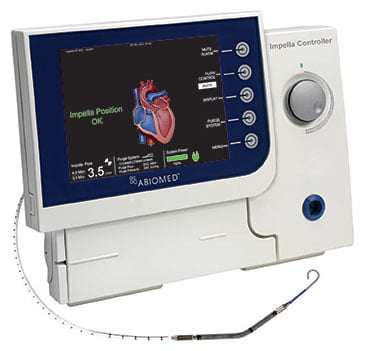
The Automated Impella Controller continuously monitors the catheter based on the placement signal and the motor current.
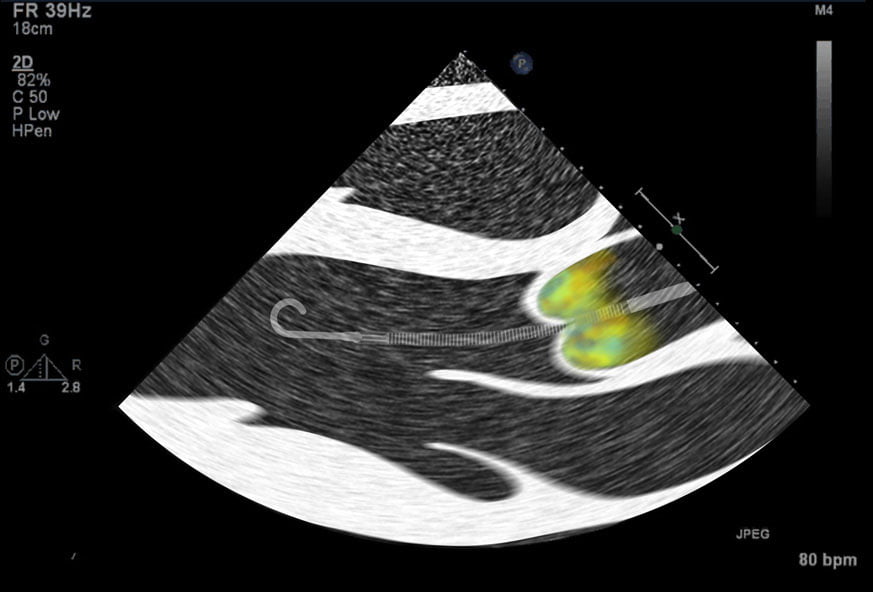
Four Catheter positions you are likely to encounter when examining echocardiograms from patients supported with the Impella CP Catheter.
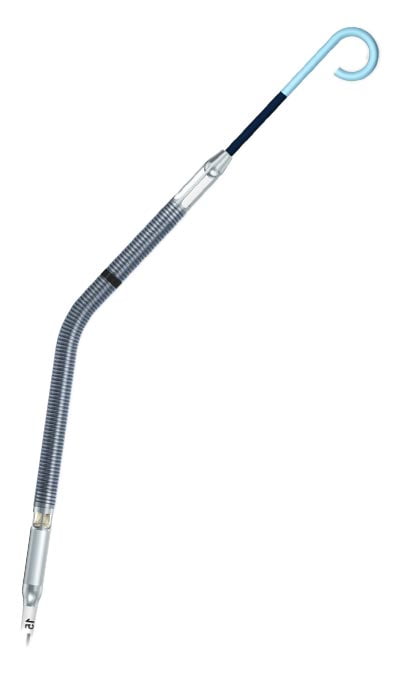
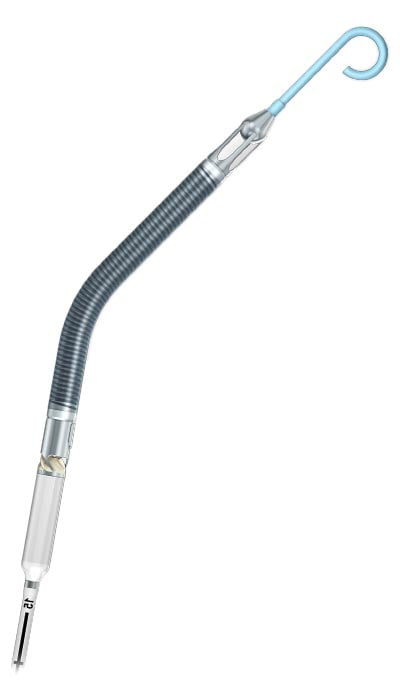
Review different type of Impella devices with their detailed specifications.